marybeth hatchet
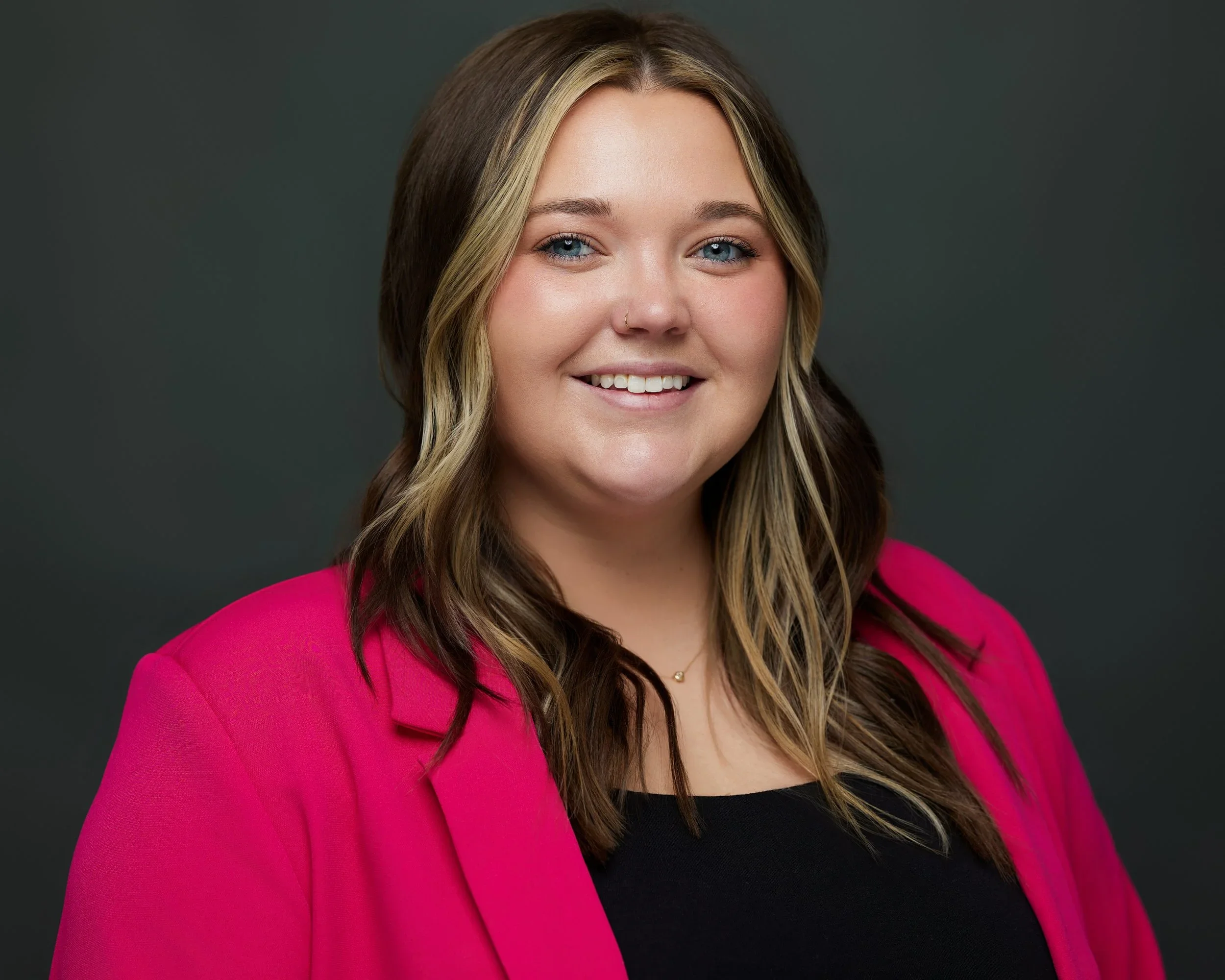
Hello!Mary Beth Hatchett has worked with teenagers in crisis at ten o'clock on a Tuesday night. Not from behind a desk. In the room, in the group home, in the middle of whatever just happened — providing the kind of steady, structured presence that a young person needs when everything around them feels like it's falling apart. That experience, more than any classroom lecture, taught her what clinical social work actually requires: the ability to stay calm when someone else can't, to build trust with people who have every reason not to give it, and to show up again the next day as if the hard night before didn't happen — because for the kid, it matters that you came back.
Mary Beth is a full-time Master of Social Work student at the University of Denver Graduate School of Social Work, completing her clinical internship at Healing Pathways Foundation from her home base in Charlotte, North Carolina. Before graduate school, she worked as a Family Intervention Specialist, delivering in-home counseling to youth and families — the kind of work where you don't get to control the environment, you just have to be good enough to be useful inside someone else's living room. She most recently supported teens in a Level 3 group home setting, providing daily structure, crisis de-escalation, and strengths-based skill building while coordinating with schools, therapists, social workers, and families. She knows what it means to be one part of a system that has to work together, and she knows what it costs the client when it doesn't.
What makes Mary Beth's background unusual is that she also spent time as an Executive Recruiter in accounting and finance leadership placements — a career that sharpened a completely different set of skills. She learned how to read people quickly, communicate with precision, and document everything with the kind of care that holds up under scrutiny. Those aren't soft skills. In clinical social work, they are the difference between adequate notes and notes that actually protect a client, between a warm introduction and a therapeutic relationship that holds, between someone who means well and someone who follows through.
At Healing Pathways Foundation, Mary Beth brings all of it — the crisis experience, the family systems work, the professional discipline, and the genuine belief that youth and families do better when someone shows up for them with consistency, collaboration, and practical support. She is not here to check a box on her way to a degree. She is here because the work she has already done told her this is where she belongs, and graduate school is how she's making sure she can do it at the highest level.
She is the kind of intern who doesn't need to be told what needs doing. She sees it, and she does it — thoughtfully, thoroughly, and with the steady presence of someone who learned a long time ago that showing up is the most important clinical skill there is.